What The Beekeeper Gets Right (and Wrong) About the Scam That Starts It
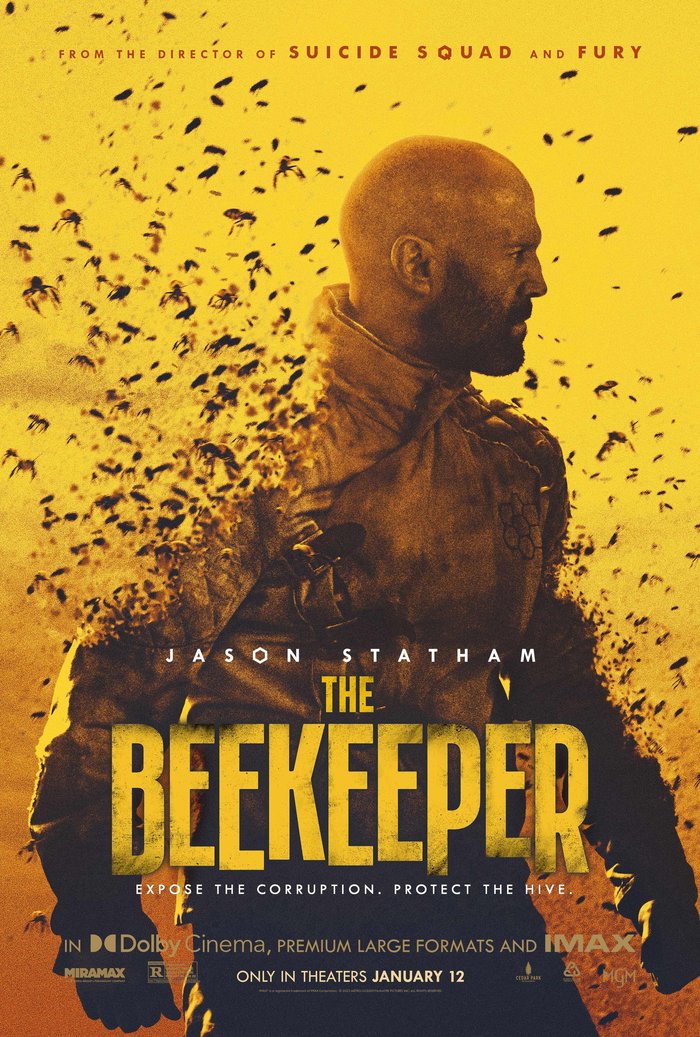
The Beekeeper (2024), starring Jason Statham, is a revenge action movie, not a documentary. But the scam that sets the whole plot in motion is closer to real life than most of what Hollywood does with this subject. We watched it the way we check everything else on this site: against FBI and FTC data, not against how dramatic it looks.
Spoiler note: this covers the setup. It happens in the first ten minutes and is in every trailer. It doesn't spoil the ending.
The setup
Eloise Parker, a retired schoolteacher, is working on her laptop. A pop-up fills her screen: a virus warning, with a phone number to call. She calls it. The "technician" walks her through installing remote-access software. Then he talks her into typing in her banking and password details. By the time she realizes what's happened, her personal savings and over $2 million from a charity she manages are gone. Ashamed, she hasn't told anyone. She takes her own life. Her tenant is a quiet beekeeper who turns out to be a former government operative. He decides to find the people responsible.
Everything after that is fiction. The first ten minutes are not.
What it gets right
The fake virus pop-up. This is the single most accurate detail in the movie. It's a browser pop-up made to look like a system alert, with a phone number instead of a real fix. That is one of the most common scams running today. See the fake security popup for exactly how it works and what to do when you see one. The movie doesn't exaggerate this part at all.
Remote-access software as the actual weapon. The "technician" doesn't need to break into anything. He asks Eloise to install a real, legitimate remote-desktop program. It's the same kind of tool IT departments use for real support. She lets him in herself. That's accurate. Once someone has remote access, they can see everything on the screen. That includes a password being typed. If this happens to you, these are the exact steps to take.
A trained, organized operation, not one bad actor. The movie shows a call center: rows of headsets, scripts, quotas, a manager walking the floor. That part is real. Federal prosecutions describe exactly this kind of structure. It's why this site never blames the person who was scammed. They were up against professionals, not luck.
The shame and silence. Eloise doesn't tell anyone before it's too late. That's the single most realistic and most important thing the movie gets right. Shame is what keeps this crime working. It's the reason we say on the about page that no one should have to read anything here without flinching. It's the whole reason a page like I think I was scammed starts with "this is not your fault" before anything else.
What it exaggerates
The ending. A former operative hunting down a call center and its bosses one by one is an action movie. It's not a real option, and it shouldn't be. The real version of "making it right" is boring by comparison. Call your bank right away and ask them to recall the payment. Report it to the FBI's Internet Crime Complaint Center and the FTC. Freeze your credit. None of that makes for a good trailer. All of it is more likely to actually help than anything in the movie.
The scale, tied to a single conspiracy at the top. The movie's scam operation turns out to be connected to a tech billionaire and, in the end, the president's own family. One organization, one villain, one takedown. Real elder fraud isn't one conspiracy. It's thousands of loosely connected operations, many of them overseas. They run the same handful of scripts on millions of people at once. The FBI's Internet Crime Complaint Center put reported losses from Americans over 60 at $7.7 billion in a single year. There's no one building to burn down. That's what makes the three steps (not a hero) the actual defense.
How fast it all resolves. In the movie, the money and the truth both come out within days. In reality, money sent to a scammer is very often gone for good. Recovery, when it happens, takes months, not a weekend. This is also why the three steps matter so much. They work before money moves, because almost nothing works well after.
The one thing worth taking from it
Skip the revenge plot. Keep this: Eloise had no reason to distrust the person on the phone, right up until it was too late. That's not a character flaw the movie invented for the plot. It's how this actually works. The defense was never supposed to be catching the lie in the moment. It's a habit, set in advance: hang up, look up the number yourself, wait a day. Here's the whole method.
Official trailer: THE BEEKEEPER (2024) Official Trailer. Jason Statham (plain link, YouTube. This site doesn't embed video from anywhere, including this one, to keep the no-tracking promise on our privacy page)
The Beekeeper poster © Amazon MGM Studios / Miramax / Metro-Goldwyn-Mayer. Used here to identify the film under discussion. Unlike the rest of this site, it is not covered by our CC BY-NC 4.0 license, because it isn't ours to license.
Sources: FBI Internet Crime Complaint Center, 2025 Annual Report, Elder Fraud section. Plot details from the film's theatrical release and official trailer.
Verify first.
